Mould Remediation After a Flood: How to Protect Your Home and Health
A flood that appears to have been cleaned up can leave a hidden problem developing behind your walls. Mould spores are present in every home — they only need moisture, warmth, and an organic surface to colonise. After a flood, all three conditions are met simultaneously across multiple surfaces. Mould remediation after a flood is not optional: it is one of the most important steps in protecting both your property and the health of everyone who lives in it.
How Fast Does Mould Grow After a Flood?
Mould growth after a flood follows a predictable timeline. In Sydney’s warm climate, the process accelerates significantly:
0 to 24 hours: Mould spores attach to wet surfaces and begin the germination process
24 to 48 hours: Active growth begins — this is the critical window for prevention
3 to 7 days: Visible mould colonies begin to appear on walls, ceilings, and flooring
7 to 14 days: Established colonies release spores that spread to adjacent areas
Beyond 14 days: Structural materials may be irreversibly compromised; air quality throughout the home is affected
The most effective intervention is preventing growth in the first place — which means calling a professional drying team within the first 24 hours. Our water damage restoration service includes mould prevention protocols as standard for this reason.
Signs of Mould After a Flood
Not all mould is visible. By the time you can see it, colonies are often well established in concealed areas. Watch for these indicators:
Musty or earthy smell — particularly in rooms that were flooded
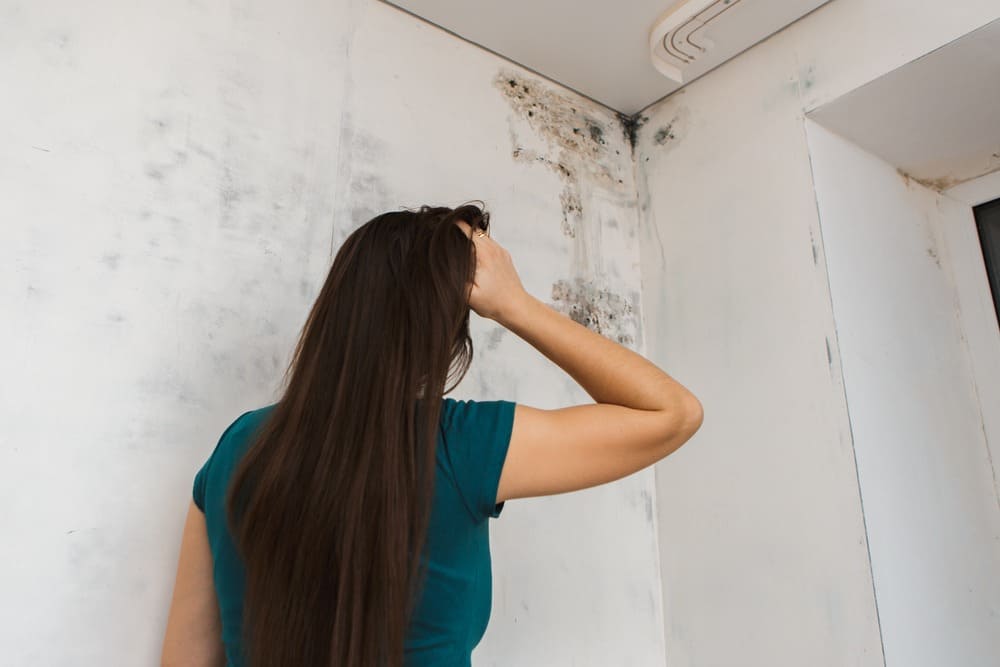
Black, green, or white fuzzy patches on walls, ceilings, skirting boards, or flooring
Bubbling, peeling, or staining on painted surfaces
Warping of timber floors, door frames, or cupboards
Allergy or respiratory symptoms that worsen indoors and improve when leaving the home
Condensation on internal walls in dry weather
Why DIY Mould Treatment Is Rarely Sufficient After a Flood
Household bleach and off-the-shelf mould sprays are effective on hard, non-porous surfaces — tiles, glass, and sealed concrete. After a flood, however, mould typically colonises porous materials: plasterboard, timber framing, carpet underlay, and particleboard subfloors. These materials cannot be effectively treated with bleach — the solution does not penetrate deeply enough to eliminate the root of the colony, and the high water content can actually spread spores further.
Professional mould remediation uses HEPA-filtered containment, industrial antifungal treatments, negative air pressure systems (to prevent cross-contamination), and post-remediation air quality testing to verify that mould levels have returned to acceptable levels. These are not achievable with consumer products.
The Professional Mould Remediation Process
Moisture assessment: Using thermal imaging and moisture meters, we locate all sources of residual moisture — visible and hidden. Remediation without addressing moisture is pointless.
Containment: Affected areas are sealed with plastic sheeting and negative air pressure is established to prevent mould spores from travelling to clean areas during treatment.
Removal of affected materials: Saturated plasterboard, carpet, underlay, and insulation that cannot be salvaged are removed and disposed of safely.
Antimicrobial treatment: All affected surfaces are treated with commercial-grade antifungal agents that penetrate porous materials and inhibit regrowth.
Drying and dehumidification: Industrial drying equipment ensures the treated area returns to acceptable humidity levels, eliminating conditions that allow mould to return.
Air quality verification: Post-remediation air sampling confirms that spore counts have returned to safe levels before we close the site.
If you have experienced a recent flood and are concerned about mould, our mould remediation team can assess your property and provide a scope of works within 24 hours.
Health Risks of Untreated Post-Flood Mould
Mould exposure affects different people differently. The most commonly reported health effects include:
Chronic coughing and sneezing
Eye, nose, and throat irritation
Asthma attacks and worsening of existing respiratory conditions
Skin rashes and allergic reactions
Fatigue, headaches, and difficulty concentrating
Children, the elderly, pregnant women, and people with compromised immune systems are particularly vulnerable. If occupants are experiencing unexplained health symptoms after a flood, mould should be the first suspect.
Suspect Mould in Your Home?
Call Flood Services Sydney on 02 9167 9435 for a professional mould inspection and assessment. We are available 24/7. Do not wait — the longer mould is left untreated, the more extensive and costly the remediation becomes. We also assist with sewage-related mould which requires specialist biohazard treatment.
Frequently Asked Questions
How quickly does mould grow after a flood?
Mould spores begin colonising wet surfaces within 24 to 48 hours. Visible mould may not appear for 3 to 7 days, but colonies are already established in hidden areas by then. Acting within the first 24 hours is the most effective prevention.
Is mould after a flood dangerous to health?
Yes. Mould releases spores that cause respiratory issues, allergic reactions, and fatigue. Certain species produce mycotoxins that are particularly harmful with prolonged exposure. Children, the elderly, and people with asthma are most at risk.
Can I remove mould myself after a flood?
Minor surface mould on tiles or glass can be cleaned with bleach. Mould in wall cavities, underlay, or subfloors requires professional remediation — DIY treatment of these areas typically results in regrowth within weeks.
How long does mould remediation take after a flood?
Contained areas with surface mould typically take 1 to 3 days. Extensive mould in wall cavities or structural timbers can take 1 to 2 weeks including drying, treatment, and verification testing.
Is mould remediation covered by home insurance in Australia?
If the mould resulted from a covered water event and you took reasonable steps to mitigate damage promptly, most Australian insurers will cover mould remediation. Pre-existing or neglect-related mould is generally excluded.